
Revolutionizing Supply Chains with Air Logistics Innovation

In the rapidly evolving landscape of supply chain management, the integration of advanced air logistics innovations has become a pivotal factor in enhancing efficiency, reducing costs, and ensuring timely delivery. The complexities of modern commerce demand solutions that transcend traditional methods, particularly for sectors such as real estate, infrastructure, and aviation. These industries require seamless coordination and swift transportation capabilities to maintain competitive advantage and operational excellence. Through the strategic application of cutting-edge technologies and methodologies, air logistics is transforming the way goods and materials traverse the globe, offering unprecedented opportunities for growth and optimization.
The Impact of Air Logistics Innovations on Supply Chains
The advent of air logistics innovations has introduced a paradigm shift in supply chain dynamics. By leveraging faster transit times and improved route optimization, companies can now achieve greater responsiveness to market demands. This is especially critical in industries where timing and precision are paramount. For example, in real estate development, the timely delivery of construction materials can significantly influence project timelines and costs. Similarly, infrastructure projects benefit from the ability to source specialized equipment and components swiftly, minimizing downtime and accelerating completion.
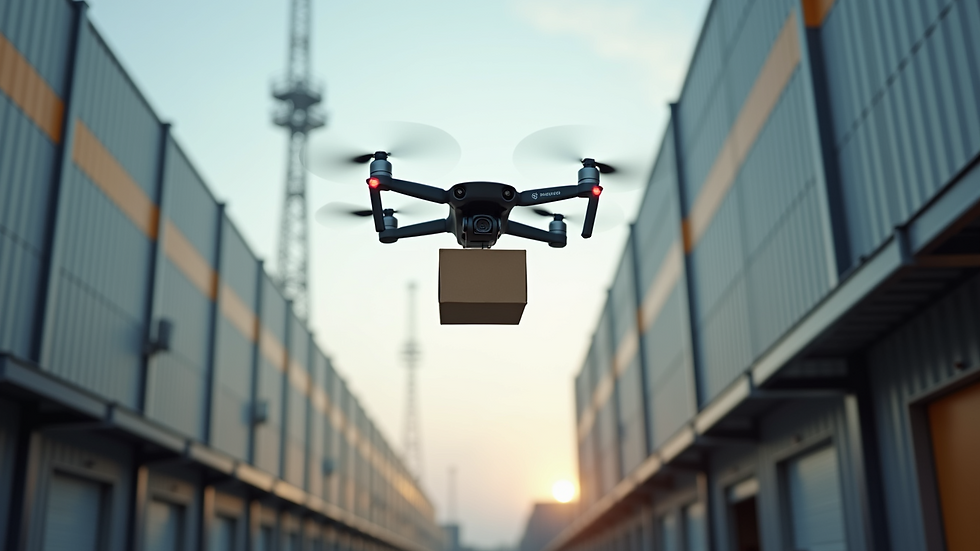
One notable advancement is the integration of real-time tracking systems, which provide comprehensive visibility throughout the transportation process. This transparency enables stakeholders to monitor shipments closely, anticipate potential delays, and implement contingency plans proactively. Additionally, the adoption of automated cargo handling and drone technology is streamlining operations, reducing human error, and enhancing safety protocols.

The strategic deployment of these innovations not only optimizes logistics but also contributes to sustainability goals by reducing carbon footprints through more efficient flight paths and load management. This alignment with environmental considerations is increasingly important for companies seeking to meet regulatory requirements and corporate social responsibility standards.
Exploring Key Air Logistics Innovations
Several technological breakthroughs are at the forefront of revolutionizing air logistics. Among these, artificial intelligence (AI) and machine learning algorithms play a crucial role in predictive analytics and demand forecasting. By analyzing vast datasets, these tools can identify patterns and optimize inventory levels, ensuring that supply aligns precisely with demand.
Another significant innovation is the use of blockchain technology to enhance security and transparency in supply chain transactions. Blockchain provides an immutable ledger that records every transaction, reducing the risk of fraud and improving trust among partners. This is particularly valuable in sectors where the provenance and authenticity of materials are critical.
Moreover, the development of electric and hybrid aircraft promises to redefine the environmental impact of air freight. These next-generation aircraft offer quieter, cleaner, and more cost-effective alternatives to traditional fuel-powered planes, aligning with the broader push towards sustainable logistics solutions.
The integration of Internet of Things (IoT) devices further enhances operational efficiency by enabling real-time monitoring of cargo conditions such as temperature, humidity, and shock. This capability is essential for transporting sensitive goods, including pharmaceuticals and high-value electronics, ensuring they arrive in optimal condition.
What is Logistics Innovation?
Logistics innovation encompasses the development and application of new technologies, processes, and strategies that improve the efficiency, reliability, and sustainability of supply chain operations. It involves rethinking traditional logistics models to incorporate digital tools, automation, and data-driven decision-making.
At its core, logistics innovation aims to address the challenges posed by increasing globalization, complex regulatory environments, and evolving customer expectations. This includes reducing lead times, minimizing costs, enhancing transparency, and improving overall service quality.
For instance, the implementation of automated warehouses equipped with robotics and AI-driven inventory management systems exemplifies logistics innovation. These facilities can process orders faster and with greater accuracy than manual operations, significantly boosting throughput and reducing errors.
In the context of air logistics, innovation often involves the integration of advanced navigation systems, automated cargo handling, and enhanced communication networks. These improvements facilitate smoother coordination between air carriers, ground handlers, and end customers, resulting in a more agile and responsive supply chain.
Practical Applications in Real Estate, Infrastructure, and Aviation
The practical implications of air logistics innovations are profound across multiple sectors. In real estate, the ability to expedite the delivery of construction materials and prefabricated components can accelerate project timelines and reduce holding costs. For example, modular construction techniques benefit immensely from reliable air freight services that ensure just-in-time delivery.
Infrastructure projects, such as the development of transportation networks and utilities, rely heavily on the timely availability of specialized equipment and materials. Air logistics innovations enable project managers to mitigate risks associated with supply chain disruptions, thereby maintaining steady progress and budget adherence.
In the aviation sector itself, the adoption of innovative logistics solutions supports maintenance, repair, and overhaul (MRO) operations by facilitating rapid parts replacement and inventory management. This capability is critical for minimizing aircraft downtime and ensuring operational safety.
Companies engaged in next-generation air logistics are also exploring the potential of urban air mobility (UAM) and autonomous aerial vehicles to further enhance last-mile delivery capabilities. These advancements promise to reduce congestion, lower delivery times, and open new avenues for service delivery in densely populated areas.
Strategic Recommendations for Leveraging Air Logistics Innovations
To capitalize on the benefits of air logistics innovations, companies should adopt a strategic approach that includes the following actionable steps:
Invest in Technology Integration: Prioritize the adoption of AI, IoT, and blockchain technologies to enhance visibility, security, and predictive capabilities within the supply chain.
Collaborate with Specialized Partners: Engage with boutique firms and technology providers that possess deep expertise in air logistics innovation to tailor solutions that meet specific operational needs.
Focus on Sustainability: Incorporate environmentally friendly practices by utilizing electric aircraft and optimizing flight routes to reduce emissions and comply with regulatory standards.
Enhance Workforce Training: Equip personnel with the skills necessary to operate and maintain advanced logistics systems, ensuring smooth implementation and ongoing efficiency.
Implement Agile Supply Chain Practices: Develop flexible logistics strategies that can adapt to market fluctuations and unforeseen disruptions, leveraging real-time data and analytics.
By following these recommendations, companies can position themselves at the forefront of supply chain innovation, driving growth and operational excellence in their respective industries.
Embracing the Future of Supply Chain Excellence
The transformative potential of air logistics innovations is undeniable. As the demands of global commerce continue to evolve, the ability to integrate advanced technologies and innovative practices into supply chain operations will distinguish industry leaders from their competitors. The strategic application of these innovations not only enhances efficiency and reliability but also supports broader business objectives such as sustainability and customer satisfaction.
For organizations seeking to harness the full potential of these advancements, partnering with experts in the field is essential. Firms like Arthur Bachmann exemplify the role of boutique private equity in driving significant growth and innovation across the US real estate, infrastructure, and aviation sectors. Their commitment to fostering next-generation air logistics solutions underscores the critical importance of innovation in shaping the future of supply chains.
By embracing these developments, companies can unlock new opportunities, mitigate risks, and achieve remarkable success in an increasingly complex and competitive marketplace. The journey toward supply chain excellence is ongoing, and air logistics innovations will undoubtedly remain at the heart of this evolution.


Comments